Creative Design Tree Vector Review
As a designer who spends half the day in Illustrator and the other half staring at an embroidery hoop, I have developed a certain skepticism toward "free" digital assets. Usually, they are either too complex to stitch cleanly or so generic that they lack soul. However, when evaluating Creative Design Tree Vector, I found myself pausing. It is not just another clip-art tree; it possesses a structural integrity and visual balance that suggests it was built with both screen and needle in mind.
I recently acquired this design from the Freebies category under Graphics, intending to test its viability for a small batch of custom holiday gifts. My goal was to create a cohesive look for a series of embroidered kitchen towels and tote bags for local friends and family. Before committing to production, I needed to understand how this vector would translate into physical thread. Here is my practical assessment of how Creative Design Tree Vector performs in real-world embroidery scenarios.
First Impressions: Visual Personality and Mood
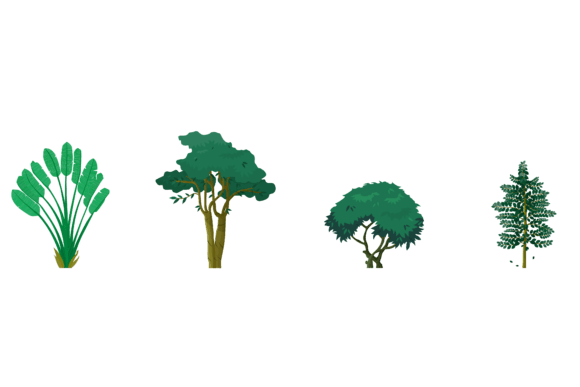
The immediate appeal of Creative Design Tree Vector lies in its clean geometry. Unlike organic, messy botanical designs that can become a tangled mess of fill stitch if not digitized perfectly, this design offers defined shapes. The mood it creates is one of grounded stability and natural elegance. It feels suitable for modern farmhouse aesthetics, minimalist nursery decor, or contemporary corporate branding.
From a layout perspective, the design balances negative space well. This is crucial for embroidery because empty space allows the fabric texture to breathe and prevents the finished product from feeling heavy or stiff. When I first imported the file, which comes in formats including AI, EPS, SVG, and JPG, I appreciated the clarity of the paths. For those unfamiliar, having multiple file types means you can adapt the design whether you are working with professional embroidery software or simpler cutting machines for applique projects.
Real-World Application: From Screen to Stitch
To truly judge an embroidery design, you must imagine it on fabric. I visualized Creative Design Tree Vector in several contexts:
- Custom Apparel and Sweatshirts: Placed on the chest of a crewneck sweatshirt, the design would serve as a subtle brand mark or a stylish graphic element. The clean lines would hold up well against the textured surface of French terry or fleece.
- Tote Bag Embellishment: A large-scale application on a canvas tote bag would give the item a boutique feel. The tree motif works beautifully here, suggesting sustainability and nature, which resonates with modern consumers.
- Baby Items and Nursery Decor: The simplicity of the vector makes it safe and appealing for baby clothes or crib sheets. It avoids the clutter that might overwhelm a small child’s eye, offering a calming visual anchor.
- Kitchen Textiles: On tea towels or aprons, the design adds a touch of warmth. It transforms a utilitarian object into a piece of home decor.
In these applications, the design contributes significantly to product value. A well-executed embroidery project signals quality. When a customer sees a crisp, clear tree design on a handmade product, it builds trust in the maker’s skill. It elevates the item from a mass-produced good to a personalized gift with intention behind it.
Technical Considerations and Stitch Clarity
While the vector art is strong, the translation to thread requires careful planning. The success of any machine embroidery design depends heavily on stitch density and type. With Creative Design Tree Vector, I anticipate using a combination of satin stitch for outlines to define edges sharply, and perhaps a light fill stitch or running stitch for internal details if the design calls for texture.
One critical factor is stitch density. If the digitizer has packed the stitches too tightly, the fabric may pucker, especially on lighter materials like linen or thin cotton. Conversely, if the density is too low, the underlying fabric may show through, ruining the color contrast. I recommend reviewing the stitch data in your embroidery software before running the final product. If you are unsure about the specific density settings, consult the original creator’s notes or test extensively.
Another aspect is the choice of thread colors. The black-and-white nature of the vector preview does not always reflect how colors will interact on fabric. I suggest testing the design in a monochrome mockup first to check contrast. Then, experiment with thread palettes. Earth tones like olive green, deep brown, and cream would complement the tree theme naturally, while bold primary colors could give it a playful, children’s book vibe.
Where to Use Carefully
No design is universal, and Creative Design Tree Vector has limitations that every embroiderer should respect. There are specific situations where this design might struggle:
- Small Hoop Sizes: If the design contains intricate details, shrinking it down to fit a 4x4 inch hoop may cause those details to merge into a blob. Ensure the minimum size meets the resolution requirements of your machine.
- Textured or Stretchy Fabrics: Materials like denim, corduroy, or spandex blends can distort fine lines. On stretchy fabrics, the tension may pull the design out of shape unless a heavy-duty stabilizer is used.
- Curved Surfaces: Applying this flat vector to a curved surface like a baseball cap or a rounded mug can be challenging. The design may need to be warped or adjusted digitally to accommodate the curvature, otherwise, it will look distorted on the finished product.
- Dense Stitch Areas: Avoid placing dense sections of the tree over seams or pockets, as this can create uncomfortable bulk and weaken the fabric structure.
Practical Designer Notes for Success
Before you upload Creative Design Tree Vector to your machine, follow these steps to ensure a professional result:
- Test on Scrap Fabric: Always run a test stitch-out on the same type of fabric you plan to use. This reveals issues with tension, thread breakage, or color bleeding.
- Check Stabilizer Choice: Depending on the fabric weight, choose between cut-away or tear-away stabilizers. A stable base is essential for maintaining the sharpness of the tree’s branches.
- Inspect Small Details: Zoom in on the vector. Are there tiny elements that might get lost in the stitching process? Simplify or remove them if necessary.
- Verify Licensing: Since this is a freebie, double-check the license terms. Some free graphics allow personal use only, while others permit commercial sales of finished items. As an Etsy seller or small business owner, understanding these rights is vital to avoid legal issues.
- Create Printable Mockups: Before selling, generate high-quality printable mockups to showcase the design. This helps potential buyers visualize the finished product and increases engagement.
Final Verdict
Creative Design Tree Vector is a versatile and reliable asset for any craft business or hobbyist. Its clean aesthetic and adaptable format make it suitable for a wide range of projects, from holiday embroidery gifts to commercial embroidery branding. While it requires thoughtful execution regarding stitch density and fabric choice, the end result is a polished, professional-looking piece that enhances the perceived value of your handmade goods.
For designers looking to expand their library without breaking the bank, this free graphic offers excellent utility. It proves that you do not always need expensive assets to create stunning work; sometimes, you just need a well-designed vector and the skill to bring it to life. Whether you are making a single personalized gift for a loved one or stocking shelves for your small shop product line, this tree design is a solid foundation for creative expression.