Love Vibes Embroidery Design Review
As a designer who spends more time than I care to admit staring at stitch lines and debating thread colors, I approach every new embroidery file with a mix of optimism and skepticism. We all know the drill: a design looks stunning in a digital mockup but turns into a tangled mess once it hits the hoop. That is why I decided to put Love Vibes through its paces before recommending it for your next craft business inventory or personal gift project.
The product description promises high-resolution assets perfect for various applications, but as someone who evaluates these for real-world viability, I look beyond the marketing copy. I want to know how it stitches, how it sells, and whether it holds up to the wear and tear of daily life. Here is my honest breakdown of Love Vibes from a practical design perspective.
First Impressions and Visual Personality
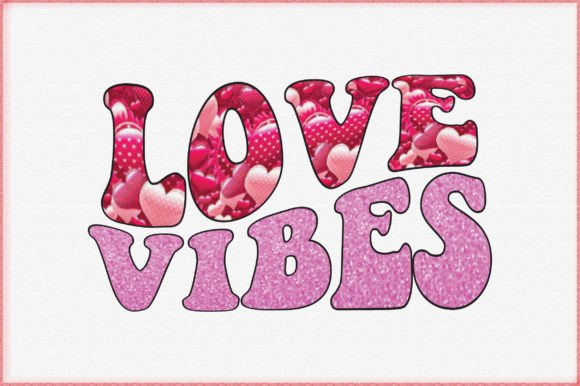
When you first open the files for Love Vibes, the immediate takeaway is its versatility. The title suggests warmth and positivity, and visually, that translates into a layout that feels inviting without being overly cluttered. In an era where minimalism often dominates the Etsy seller market, this design strikes a balance between decorative charm and clean readability.
The shape and theme are designed to be instantly recognizable. Whether you are creating a personalized gift for a wedding or adding a subtle touch to a tote bag design, the visual personality of Love Vibes communicates affection without shouting. It has a modern aesthetic that appeals to a broad demographic, which is crucial when you are trying to appeal to both Gen Z buyers looking for trendy accessories and older customers seeking classic sentimentality.
However, the fact that this is provided as a 300 DPI PNG rather than a native machine embroidery format (like .PES or .DST) means you are likely using this as a reference for printing or sublimation, or perhaps as a guide for digitizing your own version. This distinction is vital. If you are planning to use this directly in an applique design workflow via print-and-cut, the transparent background ensures clean edges. But if you intend to digitize this yourself, pay close attention to the line weights and spacing in the original graphic, as those will dictate your final stitch density.
Real-World Application: From Hoop to Hand
Let’s talk about where Love Vibes actually shines. I recently imagined this design on a heavy-weight cotton canvas tote bag. The contrast between the fabric texture and the crisp lines of the design would create a professional, boutique-level finish. Because the design is centered and balanced, it works exceptionally well on large surface areas like sweatshirt embroidery or the front panel of a baseball cap.
I also see strong potential in the nursery and baby sector. A soft pastel rendition of Love Vibes stitched onto a muslin blanket or a onesie adds a layer of perceived value that parents are willing to pay for. It transforms a basic commodity into a handmade product with emotional resonance. Similarly, for holiday seasons, this design can easily be adapted for holiday embroidery projects, such as embroidered stockings or kitchen towels, serving as a thoughtful gift item that feels personal rather than mass-produced.
For small shop owners, the adaptability of this design asset is its greatest strength. You can offer it in multiple colorways—think blush pink for Valentine’s Day, deep red for anniversaries, or even monochrome black for a modern, edgy look. This flexibility allows you to keep your commercial embroidery catalog fresh without needing to purchase entirely new designs every month.
Where Caution Is Required
No design is flawless, and understanding the limitations of Love Vibes is just as important as knowing its strengths. If you plan to stitch this on curved surfaces like caps or fitted sleeves, you must consider the distortion that occurs during hooping. Complex curves can stretch the fabric, potentially warping the text or graphical elements if the stabilizer isn’t chosen correctly.
Furthermore, avoid placing this design on highly textured fabrics, such as chunky knits or loose-weave linens, unless you are using a heavy-duty cut-away stabilizer. On thin or stretchy fabrics, the tension required to keep the design flat might cause puckering, especially if the original graphic contains dense fill areas. If the design includes tiny lettering or intricate decorative accents, test it in a smaller hoop size first. Small details can sometimes get lost or merge together if the thread colors lack sufficient contrast against the background fabric.
Another critical consideration is durability. If the finished product is intended for frequent washing, such as aprons or workwear, ensure that the stitching method used (whether satin stitch for outlines or fill stitch for bodies) is robust. Loose running stitch elements may fray over time if not properly secured. Always inspect the design for any areas that might require additional reinforcement in your digitizing software.
Practical Designer Notes for Success
To get the most out of Love Vibes, follow these practical steps before committing to a full production run:
- Test on Scrap Fabric: Never skip this step. Stitch the design on the exact type of fabric you plan to sell or give away. This reveals issues with thread breakage, fabric pull, or color mismatch that you cannot see on a screen.
- Check Contrast: View your design in black and white mockups. Does the text pop? Is the graphic distinct from the background? Good embroidery project planning relies heavily on contrast management.
- Review Stitch Density: If you are digitizing this yourself, ensure the stitch density matches the fabric weight. Too much density on light fabric causes stiffness; too little on heavy fabric leads to poor coverage.
- Confirm Licensing: Since this is a digital product, verify the commercial usage rights. Can you sell unlimited finished items? Are there restrictions on the number of units? Clarity here protects your small shop product business from legal headaches.
- Select the Right Stabilizer: Use a stabilizer appropriate for the fabric’s stretch and weight. For custom apparel, a tear-away might suffice for stable wovens, but a cut-away is safer for knits and stretch materials.
Final Verdict
Love Vibes is a solid addition to any digital embroidery file library, particularly for those focused on lifestyle, gifting, and apparel markets. Its clean aesthetic and adaptable layout make it suitable for everything from a simple embroidered patch to a complex printed mockup for online listings. While it requires careful attention to fabric choice and stabilization, the end result is a polished, professional-looking finished product that enhances brand consistency and customer trust.
If you are an apparel decorator or a creative entrepreneur looking to expand your offerings with designs that evoke positive emotions, this one is worth exploring. Just remember to test thoroughly, respect the material constraints, and let the quality of your execution speak for itself. When done right, Love Vibes doesn’t just sit on the fabric—it connects with the wearer.