Robot Graphics Freebies Review
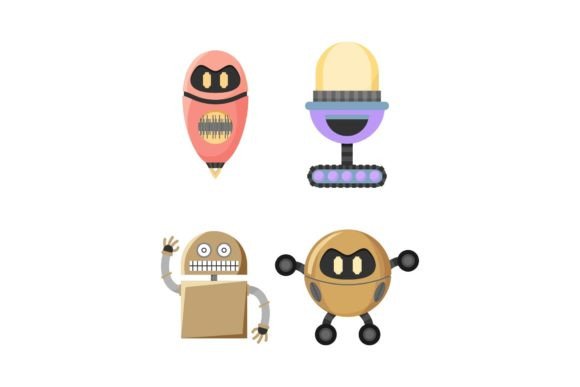
In the world of content marketing and brand design, visual consistency is not just an aesthetic choice; it is a strategic necessity. As a brand designer who has spent years helping small businesses and creative entrepreneurs build recognizable identities, I look for assets that do more than simply fill space. They must communicate mood, establish hierarchy, and support the narrative without overwhelming the message. Recently, I evaluated a graphic design asset titled Robot, which falls under the category of Freebies and Graphics. This review explores how this specific illustration can be integrated into real-world marketing campaigns, from social media graphics to packaging design, and whether it delivers the professional quality required for modern branding.
First Impressions: Mood and Audience Perception
The moment you open the file, the first impression of Robot sets the tone for its potential use. The design carries a distinct energy that leans towards the playful yet structured. In brand communication, every visual element triggers an emotional response. A robotic or tech-inspired motif often suggests innovation, precision, efficiency, and future-forward thinking. However, depending on the execution, it can also feel approachable, whimsical, or even nostalgic.
For brand owners and digital sellers, understanding this perception is critical. If your audience consists of tech-savvy early adopters, educators teaching STEM concepts, or gamers, this asset aligns perfectly with their expectations. It creates a sense of curiosity and engagement. Conversely, if you are building a serene lifestyle brand or a luxury wellness identity, the rigid geometry of a robot might clash with the organic flow you are trying to achieve. Therefore, the initial assessment is clear: Robot is best suited for brands that want to project creativity, technology, or a fun, dynamic personality. It works exceptionally well for handmade products with a quirky twist, event promotions related to technology fairs, or editorial graphics aimed at younger demographics.
Real-World Application in Marketing Campaigns
To truly test the utility of any design asset, we must move beyond theory and apply it to a practical workflow. Imagine a scenario where a small business owner is launching a new line of educational coding kits for children. They need to refresh their social media visuals, create Pinterest pins to drive traffic to their blog, and design packaging inserts that explain the product features. This is where Robot becomes invaluable.
As a creative design element, it can serve as the hero graphic for campaign headers. By placing the robot illustration prominently against a clean background, you immediately signal the theme of the campaign. For social media graphics, such as Instagram posts or Facebook ads, the asset provides a focal point that stops the scroll. When used in Pinterest pins, it adds visual interest to text-heavy overlays, ensuring the pin stands out in a crowded feed. Furthermore, for email banners and lead magnets, the robot can act as a friendly guide, leading the user’s eye toward the call-to-action button.
This asset also supports content marketing efforts by providing visual variety. Instead of using stock photos that may feel generic, integrating a unique SVG design like this one helps establish a distinctive brand identity. It allows for a cohesive look across web design elements, such as website headers or footer accents, creating a seamless experience for the visitor. For printable design needs, such as flyers or posters for local events, the high-resolution nature of the files ensures crisp output, maintaining professional branding standards even in physical formats.
Supporting Core Marketing Goals
Using Robot strategically can directly impact key marketing metrics. A strong first impression is crucial for capturing attention in a saturated digital landscape. This illustration helps create a clearer visual hierarchy by drawing the eye to the most important part of the composition. Consistency is another major benefit; by reusing this asset across different touchpoints—product labels, merchandise, stickers, and digital product visuals—you reinforce brand recognition.
Moreover, a well-executed modern design fosters audience trust. When a brand looks polished and intentional, consumers are more likely to perceive the underlying product or service as reliable. This asset contributes to a professional appearance that elevates the perceived value of the offering. It also aids in emotional connection; a friendly robot character can humanize a technical product, making it less intimidating and more relatable to the end-user.
Optimal Use Cases and Strategic Placement
While Robot is versatile, it shines brightest in specific contexts. It is ideal for hero graphics where it can take center stage without competition. It works beautifully as a decorative brand element in editorial layouts, adding a pop of character to long-form articles or guides. For promotional banners, it can anchor the design, providing a stable visual weight that balances out bold typography.
In the realm of packaging design, the asset can be used as an accent on boxes or bags, particularly for subscription boxes or limited-edition releases. For Canva templates and design bundles sold to other creators, including this asset adds significant value, offering users a ready-made, high-quality element that saves them time. It is also effective for media kits, where a unique visual style helps agencies and partners quickly grasp the brand’s vibe.
Areas Requiring Caution
However, no single asset is a universal solution. There are scenarios where Robot should be used carefully or potentially avoided. For formal corporate branding, especially in industries like law, finance, or healthcare, the playful nature of a robot might undermine the seriousness required. Similarly, in dense information layouts or text-heavy ads, the illustration could compete with the main message, causing cognitive overload for the viewer.
Small mobile graphics present another challenge. If the detail level of the robot is high, scaling it down to a thumbnail size on a smartphone screen may result in a muddy, indistinct image. In such cases, simplifying the asset or using a simplified version is necessary. Additionally, on low-contrast backgrounds, the robot may fail to stand out, reducing its effectiveness. Designers must ensure that the asset does not overpower the copy but rather complements it.
Practical Brand Designer Notes for Implementation
To get the most out of this design bundle, I recommend following a rigorous testing protocol before finalizing any campaign materials. First, test the asset with your existing brand color palette. Does the robot harmonize with your primary and secondary colors? Adjusting the hue or saturation within the AI or EPS files can help it blend seamlessly.
Next, check the black and white usage. Convert the SVG to grayscale to ensure it retains its shape and readability without relying on color. Place the design inside real campaign mockups to see how it interacts with photography and other graphical elements. Preview it on mobile screens to verify legibility at smaller sizes. Readability in small sizes is a common pitfall, so always zoom out to check the overall balance.
Furthermore, consider how Robot pairs with typography. Test it alongside serif font styles for a classic-meets-modern contrast, sans serif font choices for a clean, contemporary look, or even script font and handwritten font styles for a more personal, artisanal feel. Review the spacing and balance meticulously; ensure there is enough negative space around the illustration to let it breathe. Finally, and perhaps most importantly, confirm the commercial license terms. Even though this is listed under Freebies, verifying that you have the right to use it in paid campaigns, client work, or business branding protects your business from legal issues.
In conclusion, Robot is a robust graphic design asset that offers significant potential for small business branding and visual content creation. Its ability to convey innovation and playfulness makes it a strong candidate for various marketing visuals. By applying thoughtful placement, careful color matching, and adherence to licensing guidelines, designers and marketers can leverage this asset to create memorable, professional, and engaging campaigns that resonate with their target audience.