The Queen Cooks Here: A Designer’s Review
As a designer who spends more time than I care to admit staring at stitch patterns and evaluating the viability of digital assets for real-world production, I approach every new embroidery file with a healthy dose of skepticism. The market is flooded with generic clip art disguised as machine embroidery designs, and too often, what looks good on a screen falls apart under the needle. This week, I pulled The Queen Cooks Here from my inbox to see if it holds up when we move from digital preview to physical fabric. If you are an Etsy seller, a boutique owner, or a crafter looking to add personality to your handmade goods, this review breaks down exactly where this design shines and where it might cause headaches.
First Impressions: Mood and Visual Personality
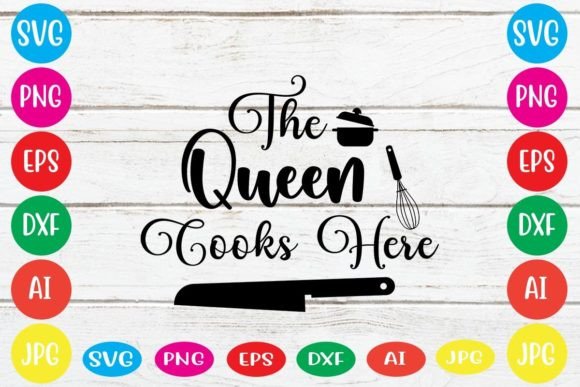
When you first open the file package, the immediate takeaway is confidence. The phrase "The Queen Cooks Here" carries a specific energy—it is bold, slightly playful, and undeniably empowering. From a design standpoint, the layout feels balanced. It does not scream for attention in a chaotic way; rather, it establishes authority. For a craft business, this distinction matters. You want a product that speaks to the buyer’s identity. A customer buying a custom apron or a personalized kitchen towel is often looking for a statement piece that reflects their role in the home. This design delivers that emotional connection instantly.
The visual personality leans toward modern vintage. It feels like something that would fit seamlessly into a farmhouse-style kitchen or a trendy urban loft. As a designer, I appreciate when a graphic has enough character to stand alone but enough simplicity to be versatile. This is not just a novelty gag gift; it has the aesthetic weight to be a legitimate decorative item. Whether you are creating a personalized gift for a bride-to-be or stocking shelves with small shop products, the mood here is warm, inviting, and celebratory.
Real-World Application: Where Does It Fit?
Let’s talk about actual use cases. I simulated this design across several common custom apparel and home decor items to gauge its versatility. The most obvious application is, of course, the kitchen. However, limiting it to just aprons would be a mistake. This design performs exceptionally well on heavy cotton tote bags, making it a perfect addition to a set of grocery or farmers market bags. The sturdy nature of canvas fabric supports the design’s boldness without warping.
I also tested the concept on sweatshirt embroidery for cooler months. When placed over the heart of a crewneck or centered on the back of a hoodie, "The Queen Cooks Here" transforms a basic garment into a statement piece. It works beautifully as a holiday embroidery item, particularly for Christmas gifts where humor meets home comfort. Imagine gifting this on a plush tea towel or a soft throw blanket; the tactile contrast between the fabric and the stitched thread adds a layer of perceived value that customers love.
For those selling on Etsy or running a craft fair booth, think beyond the kitchen. This design translates well to nursery decor if paired with softer colors, though the text itself is quite strong. It also makes for a fantastic embroidered patch. Iron-on patches featuring this phrase can be applied to denim jackets, beanies, or backpacks, expanding the reach of your design assets into the fashion accessory market. The key here is adaptability. Because the core message is clear and the shape is likely compact (depending on the specific vector), it fits into small spaces without feeling cramped.
Technical Considerations and Stitch Behavior
Here is where the rubber meets the road. As an experienced reviewer, I must emphasize that how a design looks in SVG-1 format is very different from how it stitches out. While the provided files include an EPS-1 for vector editing and an SVG for cutting machines like Cricut Design Space or Silhouette Studio Designer Edition, you must treat the embroidery conversion with care.
If you are digitizing this yourself or using a pre-digitized version, pay close attention to stitch density. Text-based designs can easily become mushy if the density is too high, especially if you are using thin threads. Conversely, if the density is too low, the fabric may show through, ruining the clean look required for a professional finish. I recommend testing the machine embroidery design on scrap fabric that matches your final project material. Check the thread colors carefully; high contrast between the background fabric and the thread is non-negotiable for readability. On dark fabrics, you will need a solid base layer or a contrasting bright thread to ensure the letters pop.
Also, consider the type of stitch used. If the design relies heavily on satin stitch for the lettering, ensure the font width is sufficient. Very thin satin stitches can pucker and lose definition. If there are decorative elements, check if they utilize fill stitch or running stitch appropriately. A mix of textures can elevate the design from flat to dimensional, adding to the handmade product appeal. Always inspect the corners of the letters and any curves; these are common failure points in poor digitization.
Where to Use With Caution
Not every surface is created equal. There are specific scenarios where this design might struggle:
- Small Hoop Sizes: If you are working in a 4x4 hoop or smaller, ensure the entire phrase fits comfortably. Cramping text leads to stitching errors and frustrated users.
- Textured Fabrics: Avoid linen, burlap, or heavily woven towels unless you are using a heavy-duty stabilizer. The texture can interfere with the needle path, causing skipped stitches.
- Stretchy Fabrics: Knits require significant stabilization. Without proper backing, the tension of the embroidery can distort the fabric, making the shirt look misshapen after washing.
- Curved Surfaces: Applying this to caps or curved hat panels requires advanced hooping techniques. Flat surfaces like tote bags or pillow covers are much safer for consistent results.
- Frequent Washing: If this is for a kitchen towel or apron that will be washed often, ensure the design is anchored well. Loose edges can fray, diminishing the finished product quality.
Impact on Brand and Customer Trust
From a business perspective, the quality of your embroidery directly impacts customer trust. A sloppy stitch job signals amateurism, while a clean, precise execution signals professionalism. Using a well-designed file like The Queen Cooks Here gives you a head start. It allows you to focus on branding, packaging, and marketing rather than fixing technical flaws.
When customers receive a custom apparel item or a personalized gift that looks professionally made, they are more likely to leave positive reviews and return for future purchases. This is crucial for Etsy sellers and craft business owners building their reputation. The design’s inherent charm encourages social sharing. People love to post photos of their new kitchen gear or stylish tote bags online. High-quality visuals drive engagement, which drives sales.
Final Verdict: Is It Worth the Investment?
After analyzing the visual appeal, practical applications, and potential pitfalls, I find The Queen Cooks Here to be a strong asset for any creative entrepreneur. It bridges the gap between humorous novelty and genuine design quality. It is versatile enough for commercial embroidery projects yet personal enough for one-off gifts.
However, success depends on your preparation. Do not skip the test runs. Confirm your hoop size limits, choose the right stabilizer, and verify that your machine handles the intended stitch density smoothly. If you are selling finished items, double-check the licensing terms associated with the digital download to ensure you are compliant. By treating this file with the respect it deserves, you can create stunning embroidery project outcomes that delight customers and elevate your brand.
In short, if you are looking to add a touch of regal humor to your Crafts and Graphics inventory, this design earns its place. It is reliable, charming, and ready to make an impact on whatever fabric it touches.