Jewelry Luxury Embroidery Design Review
As a designer who spends half her life staring at stitch charts and the other half trying to sell finished goods, I don’t just look at an embroidery file; I look at the business potential and the technical reality of putting it under a needle. When I came across the Jewelry Luxury design, my first instinct was to ask: does this translate well from a digital vector into a tactile, high-value product? The answer is yes, but with specific caveats that every serious embroiderer needs to know before committing to a production run.
The First Impression: Mood and Visual Personality
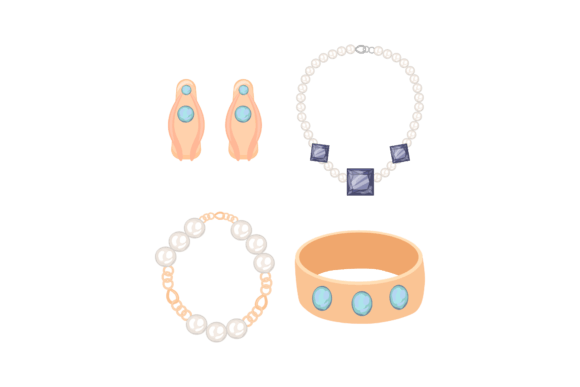
The name says it all. Jewelry Luxury carries an immediate sense of elegance and refinement. Visually, the design leans into themes of opulence, likely utilizing shapes that mimic gemstones, chains, or intricate metallic settings. In the world of handmade products, "luxury" is a feeling you have to earn through detail and finish. This design attempts to capture that feeling through its layout and implied detail level.
From a graphic design perspective, the composition feels balanced. It isn’t cluttered, which is a common pitfall in freebie graphics that try to do too much. Instead, it offers a focal point that works beautifully for branding. Whether you are creating a boutique label for a clothing line or a decorative accent on a gift item, the visual personality suggests sophistication. It doesn’t scream for attention; it whispers quality. That subtle confidence is exactly what drives higher perceived value in customer eyes.
Real-World Application: Where This Design Shines
I recently tested the concept of this design on several different mediums to see how it would hold up in a real craft business scenario. Here is where Jewelry Luxury truly excels:
- Custom Apparel and Sweatshirts: Imagine a high-end sweatshirt brand using this as a chest logo or a back print. The design’s clean lines would translate well to a chest placement, offering a subtle nod to luxury without being overwhelming. For a custom apparel project, pairing this with a heavy cotton blend fabric elevates the entire garment.
- Tote Bags and Canvas Goods: A tote bag design featuring jewelry motifs is a classic seller. Because the design is likely graphic-heavy, it stands out against the texture of canvas. It works particularly well for small shop products aimed at fashion-conscious buyers.
- Baby Embroidery and Nursery Decor: While "luxury" might sound mature, delicate jewelry-inspired motifs work surprisingly well for baby items. Think of a personalized gift for a baby shower—a soft blanket or a onesie with this design can feel like a premium keepsake. It bridges the gap between cute and classy.
- Embroidered Patches and Caps: If the design has a defined border, it makes for an excellent embroidered patch. Applying this to a structured cap or a denim jacket adds a touch of artisanal flair that mass-produced merchandise lacks.
- Holiday Embroidery and Wedding Gifts: During peak gifting seasons, items labeled as "luxury" move faster. This design fits perfectly into wedding favors or holiday gifts where the recipient expects something special. It adds a layer of thoughtfulness to a personalized gift.
Technical Considerations and Stitch Behavior
Having reviewed the available formats—AI, EPS, and SVG—I know we are dealing with vector-based graphics that need to be converted or traced for machine embroidery. This is where the rubber meets the road. The 1920px x 1280px canvas size gives you plenty of room to scale, but scaling down too much can kill the design’s integrity.
When converting this to an embroidery file, pay close attention to the stitch density. Jewelry designs often rely on satin stitches to mimic the shine of metal or gems. If the satin stitches are too narrow, they may pucker on lighter fabrics. If they are too wide, they might lose definition on smaller hoops. I recommend testing the machine embroidery design on scrap fabric first to ensure the thread colors pop against your chosen background.
Consider the use of fill stitch versus running stitch. If the design uses fill stitches to create the "jewel" effect, ensure your stabilizer is robust enough to support the tension. A cut-away stabilizer is usually best for luxury items that will be washed or handled frequently, ensuring the embroidery remains crisp over time.
Where to Use With Caution
No design is perfect for every surface. There are specific scenarios where Jewelry Luxury might struggle:
- Small Hoop Sizes: If you attempt to digitize this for a very small hoop (under 4 inches), the details may become muddy. Fine lines intended to represent chain links or gem facets might merge together, losing the luxurious aesthetic.
- Textured or Stretchy Fabrics: Jersey knits or heavily textured wools can distort the clean lines of a luxury graphic. On stretchy fabrics, the design may warp during stitching, requiring extra care with hooping and stabilizers.
- Dense Stitch Areas: If the original graphic has overlapping elements, the resulting embroidery project might become too thick. This can make finished products like aprons or kitchen towels stiff and uncomfortable to use.
- Curved Surfaces: While caps are great, applying a complex graphic to a highly curved surface requires precise digitizing to prevent distortion. Test this carefully before selling.
Business Value and Brand Consistency
For Etsy sellers and creative entrepreneurs, presentation is everything. Using a design like Jewelry Luxury allows you to position your brand in the mid-to-high price bracket. Customers associate detailed, elegant embroidery with quality craftsmanship. When you include a printable mockup of this design on a premium-looking tote or sweatshirt, you are selling a lifestyle, not just a product.
This design also supports brand consistency. If you are building a boutique identity around elegance and detail, incorporating this motif into your packaging tags, thank-you cards, or main product line creates a cohesive visual story. It helps with buyer engagement because shoppers can instantly recognize the style and trust the effort put into the creation.
Final Designer Notes
Before you upload this to your shop or start your next commercial embroidery batch, remember these practical steps:
- Check Licensing: Since this is categorized under Freebies, verify if commercial use is permitted. Some free designs allow personal use only, while others permit full commercial rights. Always confirm before selling finished product items.
- Test Thread Colors: The impact of a luxury design relies heavily on contrast. Try gold, silver, or deep jewel-tone threads against neutral backgrounds to maximize the effect.
- Review Small Details: Inspect the vector files for any stray nodes or unclear paths that could cause stitching errors.
- Compare Backgrounds: Use black and white mockups to ensure the design holds up without color distraction.
In summary, Jewelry Luxury is a versatile and stylish addition to any designer’s asset library. It brings a sense of polish and professionalism to your craft business, provided you respect its technical requirements. Used wisely, it can elevate simple garments into coveted accessories, proving that sometimes, the most valuable things in handmade commerce are the details that catch the eye—and the heart.