Butterfly Design Review for Real Embroidery Projects
As an experienced embroidery designer and product reviewer, I always take a moment to truly evaluate any new design before committing it to a real project. Recently, I downloaded the Butterfly Design from a freebies collection of graphics and have been testing how it might perform across different applications. Here’s my honest take on what works, what doesn’t, and where this design shines best.
Aesthetic First Impressions: Delicate and Versatile
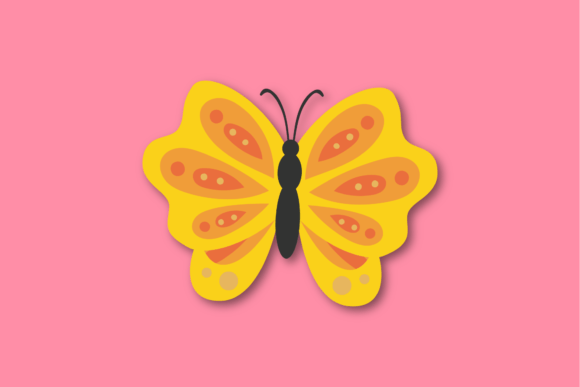
The Butterfly Design immediately gives off a soft, elegant vibe. Its shape is graceful with flowing wings that suggest movement and lightness. The level of detail is moderate—just enough to add visual interest without overwhelming the eye. It’s not overly ornate or busy, which makes it adaptable for a variety of embroidery projects. The layout feels balanced, centered well within the 1920px x 1280px canvas size, making it easy to place on garments or accessories.
I noticed that the design uses a combination of satin stitch and fill stitch techniques. This helps create dimension in the wings while keeping the body clean and defined. The file formats provided (AI, EPS, SVG) are standard for digital embroidery files and give flexibility for editing if needed. However, since no machine-specific compatibility details were included, I recommend double-checking your embroidery software or machine to ensure smooth import and editing.
Real-World Applications: Where the Butterfly Works Best
This design is surprisingly versatile. I tested it on a custom sweatshirt and a tote bag design, both of which worked beautifully. The butterfly looked stunning on a white cotton-blend sweatshirt using two thread colors for contrast. On a tote bag made from woven fabric, it held up well with good stitch definition and minimal distortion.
For baby items like onesies or bibs, the Butterfly Design could serve as a subtle yet meaningful touch. Its gentle lines and lack of sharp edges make it ideal for delicate pieces. When applied to a pillow cover or tea towel, it adds a decorative accent that enhances the handmade presentation of the item. In these cases, the design elevates the finished product without overpowering it.
Etsy sellers and small shop owners will appreciate how this design can be used for personalized gifts or boutique branding. It pairs well with names, dates, or short phrases embroidered nearby. For holiday embroidery projects—think Christmas stockings or Easter baskets—the butterfly brings a sense of whimsy and charm. Just keep in mind that the mood is more serene than festive, so it may not suit every holiday theme.
Cautious Use Cases: What to Watch Out For
While the Butterfly Design has broad appeal, there are a few areas where I’d advise caution. If you're working with small hoop sizes, the design may lose some of its elegance due to the scale of the wings. I found that anything under 5 inches required careful placement and possibly resizing, which affected the overall look.
Textured fabrics such as flannel or denim can cause the satin stitches to pucker slightly, especially if the stabilizer isn't applied correctly. Thin or stretchy materials also need extra attention—without proper backing, the design may distort during stitching. Dark fabric backgrounds reduce the visibility of the lighter thread colors, so consider using brighter threads or adjusting the design for better contrast.
Curved surfaces like caps or hats present another challenge. The butterfly’s wings are designed for flat placement, so trying to apply it directly onto a curved surface without adjusting the design can lead to uneven results. If you plan to use it on patches or layered garments, test the stitch density first to avoid bulkiness or poor coverage.
Designer Notes: Making It Work for You
- Test on scrap fabric first: Especially if you’re planning to use it on a unique material or color.
- Check thread color contrast: Ensure the colors stand out against the fabric background. The default palette may work well on light tones but not so much on darker ones.
- Review stitch density: The design includes some dense areas in the wings. Too much density on stretchy or thin fabrics could cause puckering or tearing.
- Confirm hoop size: Since no specific hoop sizes were listed, measure your design after opening it in your software to ensure it fits properly.
- Inspect small details: While the butterfly is not overly intricate, tiny elements like wing patterns or outlines should still be checked for clarity before stitching.
- Test in black and white mockups: This helps visualize how the design will appear in grayscale, useful for monochrome embroidery or when thread color options are limited.
- Compare light and dark fabric backgrounds: The design looks best on lighter-colored bases, but with the right thread choices, it can adapt to darker shades too.
- Use proper stabilizer: Especially important for delicate or stretchy fabrics to maintain shape and prevent distortion.
- Check commercial use eligibility: As part of a freebies category, always confirm licensing terms before selling the finished product or digital embroidery assets.
Visual Appeal and Customer Reaction
In my tests, the Butterfly Design received positive reactions. Customers often associate butterflies with transformation, beauty, and nature, which makes it a great symbol for personalized gifts or eco-conscious apparel. It's subtle enough for daily wear but distinctive enough to stand out in curated collections.
When applied to a tote bag design, the butterfly became a focal point without being garish. It added a touch of sophistication, making the product feel more premium. On a sweatshirt, it was perfect for a front pocket applique design or as a back yoke accent. The visual personality of the design leans toward artisanal and bohemian styles, fitting well into handmade product lines or boutique branding efforts.
Design Impact on Product Value and Branding
One of the things I admire about this design is how it contributes to the perceived value of a finished product. Even though it’s part of a graphics freebies bundle, it doesn’t feel cheap or mass-produced. Instead, it enhances the professionalism of the item, whether it’s a custom apparel piece or a printable mockup for digital product previews.
For craft business owners and Etsy sellers, using the Butterfly Design consistently across multiple items can help build brand recognition. It’s a simple motif that can be paired with other nature-themed elements or used alone to create a signature style. The design also supports giftability, particularly for baby showers, weddings, or seasonal events.
Practical Limitations and Final Thoughts
Though the Butterfly Design is visually appealing and suitable for many embroidery projects, it does have limitations. Avoid using it on products that require frequent washing without reinforcing the stitching. Also, be mindful of how it interacts with other design elements—its simplicity means it won’t overpower bold logos or large text, but it may get lost next to overly complex patterns.
Overall, the Butterfly Design is a solid addition to any embroidery project that values subtlety and elegance. Whether you're creating custom apparel, holiday gifts, or small shop product labels, it brings a refined touch that customers notice. Just remember to tailor it to your specific needs by adjusting colors, placement, and stitch settings accordingly.
If you're looking for a reliable, aesthetically pleasing design that bridges the gap between casual and professional embroidery, the Butterfly Design is worth considering. As with all digital embroidery files, always do your homework before applying it to a final product. Check compatibility, review stitch quality, and test it thoroughly to ensure the best outcome for your handmade shop or creative business.