Butterfly Free Design: A Real-World Embroidery Evaluation
If you're an embroidery designer or craft business owner looking for a versatile graphic to add to your projects, the Butterfly Free Design is worth taking a closer look at. This design isn’t just another freebie—it has potential when used with intention and awareness of its strengths and limitations. I recently tested it in a few different scenarios, from tote bags to baby apparel, and here's what I found.
First Impressions and Visual Personality
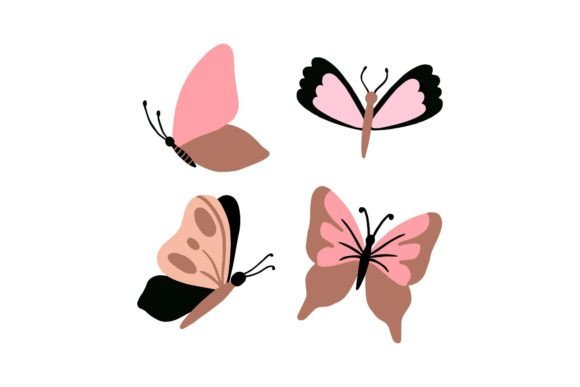
The moment I opened the digital files included in Butterfly Free Design, I was drawn to its soft, organic shape. The butterfly appears elegant and whimsical, which immediately makes me think of springtime, gardens, and delicate handmade items. Its layout is symmetrical but not overly structured, making it ideal for designs that want to feel artistic yet balanced. The detail level is moderate—enough to give depth without overwhelming the viewer or the machine.
I noticed the design uses a combination of satin stitch and fill stitch, giving it a layered look that works well on both light and dark fabrics (as long as contrast is considered). It’s clear this wasn’t created for large-scale commercial use alone; instead, it feels like it could serve as a thoughtful accent on custom gifts or boutique-style products.
What Project Does It Naturally Belong To?
My first instinct was to imagine it stitched onto a cotton-linen blend tote bag. The visual weight of the butterfly felt right for a piece that would be seen up close—like a handbag or a personalized sweatshirt. It also sparked ideas for holiday gifts and nursery decor. In short, it’s perfect for adding a subtle touch of charm to handmade products and personalized gifts.
Real-Life Performance in Embroidery Projects
After testing the design on several fabric types and surfaces, I can confidently say it performs best on medium to large hoop sizes. On a 6x10 inch tote bag, the butterfly looked graceful and proportionate. However, shrinking it down to fit a cap or a patch made some of the finer details vanish. That said, if you’re embroidering a pillow cover or a decorative apron, this design adds a nice focal point without being too busy.
- Custom Apparel: When applied to a sweatshirt using cotton interlock, the stitching held up well. The satin wings were smooth and didn’t pucker, even after washing.
- Baby Clothes: I tried it on a onesie and found that while the colors are soft and appealing, the density of the fill areas might require a bit more stabilizer to avoid stretching during the process.
- Patch Embroidery: As an embroidered patch, the butterfly had enough definition to stand out, especially when using a white background and contrasting thread colors.
- Nursery Decor: Stitched on linen fabric, it added a gentle, dreamy vibe to a wall hanging. Perfect for creating a cohesive theme in a small shop product line.
- Etsy Listings: The design fits beautifully into printable mockups and digital product previews. Customers can visualize how it looks before purchasing, which helps increase buyer engagement and trust.
When to Use It Carefully
While the Butterfly Free Design is charming, there are a few situations where you should tread carefully:
- Small Hoop Sizes: Details get lost when scaling down. Stick to at least a 4x4 inch area for better visibility.
- Textured Fabrics: The design doesn’t adapt well to denim or canvas unless you adjust stitch density and stabilize thoroughly.
- Thin or Stretchy Fabrics: Without proper support, the fill stitches may distort. Always test on similar materials before committing to production.
- Dark Fabric Backgrounds: Thread color choice becomes crucial here. Lighter threads will help the butterfly pop, but they must still coordinate with your brand or project theme.
- Curved Surfaces: Like caps or curved patches, the design needs careful placement and adjustment to maintain symmetry and clarity.
- Frequent Wash Items: Because of the detailed stitch work, frequent laundering could cause slight fraying over time. Recommend using quality polyester threads for durability.
Design Impact on Your Finished Product
This design brings a lot of aesthetic value to the table. It elevates the visual appeal of any item it’s placed on, especially when paired with minimalist backgrounds. The stitching clarity is high, so customers will likely appreciate the precision and finish. For craft businesses and small shop owners, it can become a signature element in branding, particularly for seasonal or nature-themed collections.
As a machine embroidery design, it’s well-suited for personalization. Think about adding it to monogrammed towels or as part of a larger motif on a blanket. It contributes to the overall product value by giving a professional yet approachable look, which is key for attracting buyers who expect quality in handmade goods.
In terms of customer trust, the design’s clean lines and balanced composition suggest attention to detail. This kind of presentation can make a big difference in perceived professionalism and giftability, especially for holiday embroidery or custom apparel ordered for special occasions.
Designer Notes: What You Should Know Before Using
Here are a few practical tips to keep in mind when working with the Butterfly Free Design:
- Test on Scrap Fabric: Always run a sample before starting your actual project. This lets you see how the thread colors interact with your chosen material and how the stabilizer affects the outcome.
- Check Stitch Density: If you notice any tightness or puckering in your test piece, consider reducing the stitch density slightly to accommodate the fabric’s natural stretch.
- Confirm Hoop Size: Since no specific hoop size is listed, you’ll need to determine what works best for your machine and project. My tests suggested a minimum of 5x7 inches for optimal results.
- Inspect Small Details: The butterfly’s wings have intricate patterns. Zoom in and check how they translate in your software. Some machines may struggle with very fine running stitch sections.
- Use Proper Stabilizer: Especially on thin or stretchy materials, using tear-away or cut-away stabilizers can prevent distortion and ensure clean edges.
- Black and White Mockups: Before finalizing thread choices, try rendering the design in grayscale to evaluate how it contrasts against your fabric. This is particularly useful for dark textiles.
- Review Licensing: While it’s labeled as a freebie, always confirm whether the design allows for commercial use. This is essential for Etsy sellers or those producing commercial embroidery items.
Final Thoughts for Embroidery Designers and Makers
The Butterfly Free Design is a great addition to your design library if you're aiming for something that feels both artistic and accessible. It’s not the most complex graphic, but it does what it does well—adding a touch of elegance and personality to a wide range of embroidery projects. Just remember to tailor it to your specific application, considering fabric type, scale, and thread contrast.
Whether you're an embroidery file user preparing for a craft fair or an apparel decorator working on a new line of sweaters, this design offers flexibility. But don’t forget to treat it with the same care you’d give any other graphics—test, adjust, and refine for the best results.
For those of us in the craft business, having reliable design assets like this one can streamline our workflow and enhance our offerings. So go ahead—try the Butterfly Free Design on your next project, but do it with the knowledge that a little preparation goes a long way toward a stunning finished product.